How I Handle Last-Minute Shoots
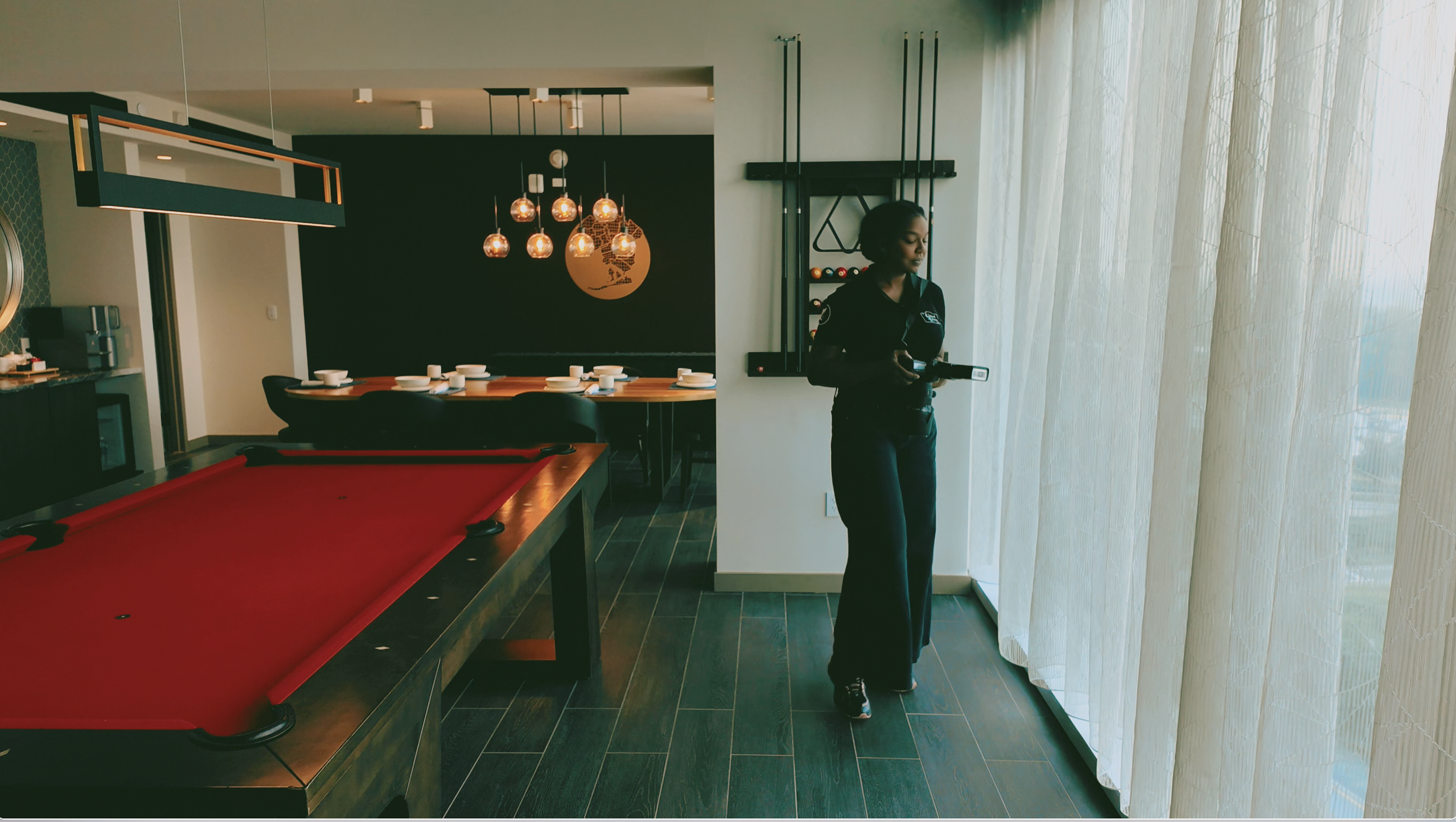
Sometimes as a photographer, you get the luxury of planning a shoot weeks in advance.
You have the mood board. The shot list is ready. Your client knows exactly what they’re wearing. You’ve already thought through the lighting, location, and creative direction.
And then there are the other shoots. The ones where you get a call and hear:
“Hey! We need headshots… and we need them ASAP.”
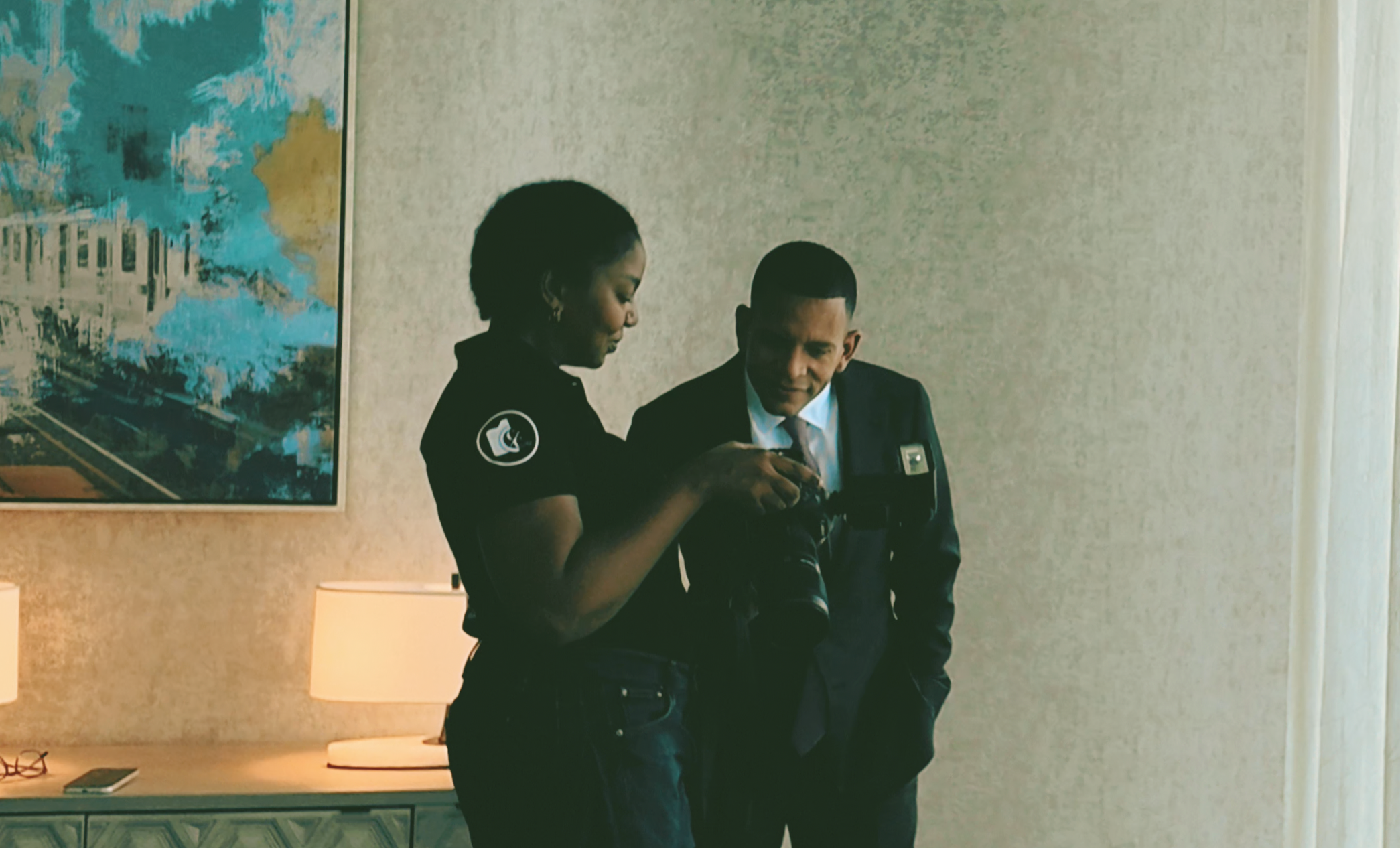
That was the situation with a recent executive headshot session I photographed for a casino executive. It was a last-minute booking, which meant there wasn't a ton of time to overthink the details. But that's also where experience as a photographer really matters.
A last-minute shoot doesn't mean you should show up unprepared. If anything, it means your preparation needs to be even more intentional. Here are some of the things I keep in mind when I'm walking into a last-minute headshot session, along with a few tips for anyone preparing to get professional headshots.
For Photographers": Start With Questions, Not Your Camera Bag
When someone tells you they need a headshot, it's tempting to immediately start thinking about lenses, lighting, and locations.
But before I start packing my gear, I want to know who are they and why they need the photos. Where are these photos going?
Are they being used for:
A company website?
LinkedIn?
Press releases?
Speaking engagements?
Social media?
Marketing materials?
An executive bio?
“Headshots” can mean a lot of different things depending on the client. For an executive, the goal may be a polished, traditional portrait. Someone else may want something more editorial, relaxed, or approachable. The photographer needs to understand the purpose behind the images so the final photographs actually serve the client. You're not just taking a picture of someone's face. You're helping them communicate who they are professionally.
Learn to work With the Location What You Have
One of the biggest lessons I've learned from working on location is that you don't always get the perfect environment. Sometimes you walk into a location and immediately think,
“Okay... what can I do with this?”
Instead of getting stuck on what the location doesn't have, I look for what it does have. Where is the cleanest background? Where is the best available light? Where can I create separation between the subject and the background? Can I create a professional looking portrait without completely taking over the space? That's the real skill. You don't necessarily need a fancy studio to create a professional headshot. You need to understand light, composition, and how to make your subject look their best.
A good photographer should be able to walk into an unfamiliar environment and problem-solve.
Have a Simple, Repeatable Setup
Last-minute sessions aren't the time to reinvent your entire lighting setup. I like having a setup that I understand well enough to recreate quickly. Know your equipment. Know which lens you like for headshots. Know where you typically position your key light. Know how far you like your subject from the background. Know your basic camera settings. That doesn't mean every session has to look exactly the same. It simply gives you a reliable starting point.
When you're working with an executive, their time is valuable. You don't want them standing around for 30 minutes while you're trying to figure out what your light stand is doing with its life. The more familiar you are with your process, the more time you can spend focusing on the person in front of your camera.
Don’t Underestimate the Importance of Direction
Lighting can be perfect. Your location can be perfect. Your camera settings can be perfect.
And your client can still look uncomfortable. This is why directing your subject is such an important part of being a portrait photographer. You can't always tell someone, “Okay, smile!” …and expect a great portrait to magically happen. Give them direction. Ask them to turn their shoulders. Adjust their chin.
Relax their hands. Change their expression. Shift their weight. Look toward the camera.
Look away. Give you a small smile. Then a more serious expression. Small adjustments can completely change a portrait.
And while you're directing them, talk to them. Conversation helps people relax. Sometimes the best expression happens between the poses because the person has stopped thinking about the camera.
Your client shouldn't have to know how to pose. That's part of your job as the photographer.
Now, For Anyone Getting Professional Headshots...
If you're the person reading this because someone just told you, “We need your headshot by Friday.”
First...Breathe.
You don't need to panic.But there are a few things you can do before your session that will make the entire experience easier.
Know What You Need the Photos For
Before your session, think about where you're actually going to use the images. Your photographer can create different compositions depending on your needs.
For example, you may want:
A tighter head-and-shoulders portrait
A vertical image for social media
A horizontal image for your website
A more traditional corporate portrait
A relaxed environmental portrait
Tell your photographer what you need. The more information they have, the better they can plan for the session.
Bring Options
If you're unsure about what to wear, bring options. You might have one outfit in mind that you absolutely love. Then you see it on camera and realize...Yeah. Maybe not. For an executive headshot session, consider bringing a few options:
Your primary suit or professional outfit
An additional jacket
Different shirts or blouses
Different accessories
Something slightly more relaxed
Your photographer can help you decide what works best on camera. Having options also gives you the opportunity to create a little variety during the session without needing to schedule another shoot.
Don’t Experiment the Morning of Your Shoot
This one deserves its own section. Please don't decide the morning of your headshot session that you're finally going to try that haircut you've been thinking about. This is not the time. If you're getting makeup done, don't schedule it so close to your session that you're running through the door five minutes before your photographer starts shooting. Give yourself some breathing room.
Prepare your outfits ahead of time. Steam or iron your clothing. Clean your shoes. Gather your accessories. The goal is to arrive feeling prepared instead of scrambling.
Tell Your Photographer What You Don’t Like
This is one of the most helpful things you can communicate. If there's something you don't like about the way you typically photograph, let your photographer know. Maybe you have a preferred side.
Maybe you don't like extremely wide smiles. Maybe you prefer a more serious expression. Maybe you feel more comfortable with a particular angle. Your photographer isn't a mind reader.
And sharing those preferences doesn't mean you're being difficult. It gives your photographer information they can use to create images you'll actually feel good about.
Last- Minute Doesn’t Have to Mean Unprepared
Not every shoot is going to happen under perfect conditions. Sometimes you have weeks to prepare. Sometimes you have a couple of days. Sometimes you have to walk into a location, assess the situation, make a plan, and execute. That's part of the job. For photographers, it's a reminder that you don't always need perfect conditions to create great work. You need to know your equipment. You need to understand light. You need to communicate.You need to problem-solve. And you need to know how to direct your subject. For clients, it's a reminder that you don't have to know how to pose or understand photography. That's why you hired a professional. Your job is to show up prepared, communicate what you need, and trust the process. The photographer's job is to take it from there.
Looking for Professional Headshots?
Whether you're an executive, entrepreneur, creative, or small-business owner, your headshot should feel like you while still communicating the level of professionalism you bring to your work.
At Captured Canvas, I create professional headshots and branding imagery designed to help people and businesses show up confidently online and in person.